Digital Identity, Self-Conception, and Predictive Control
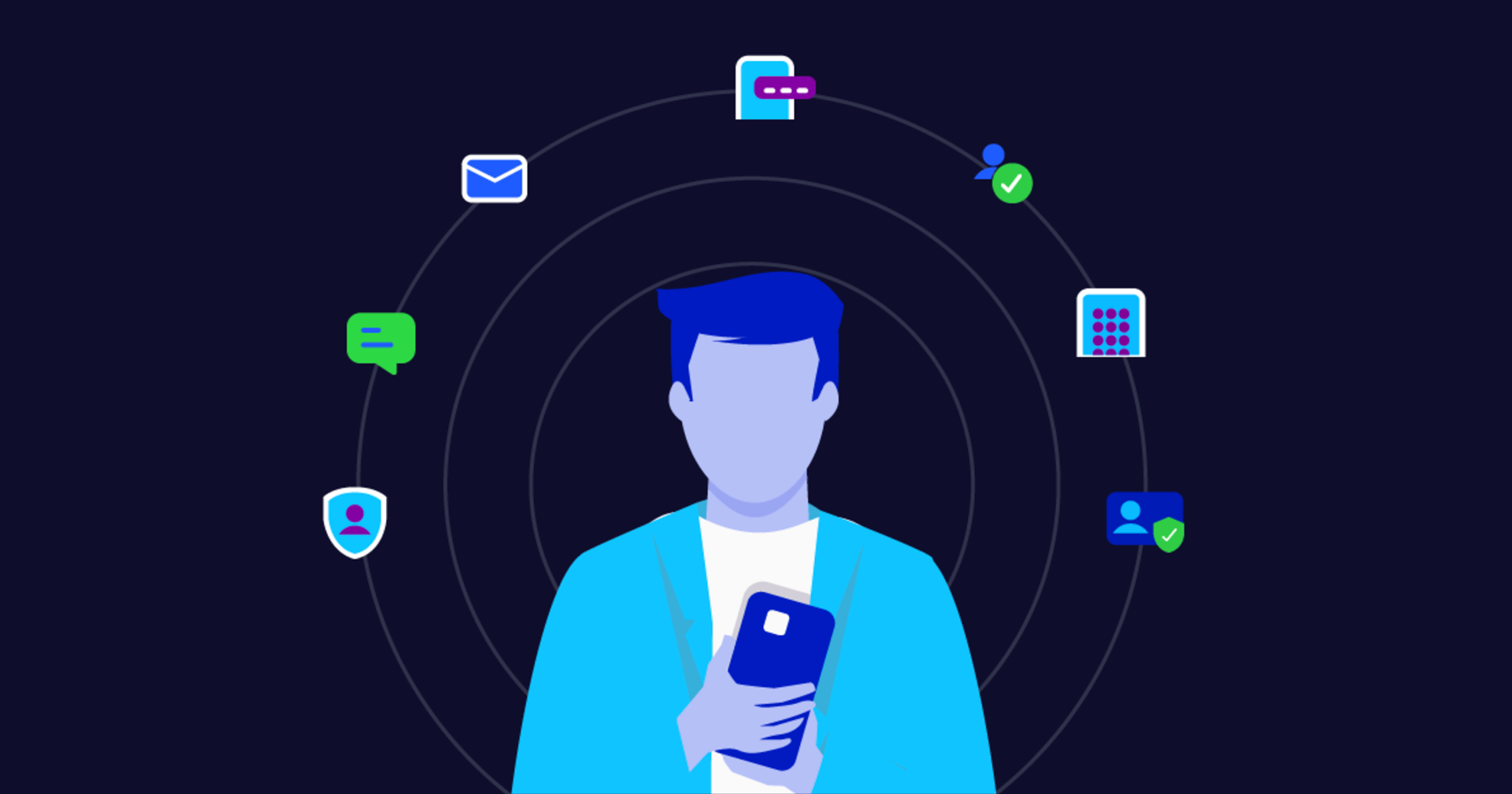
https://www.telesign.com/blog/the-importance-of-digital-identity-in-modern-businesses
We explore how digital identity—constructed from data traces—has become a central mechanism of classification, opportunity, and control in contemporary society.
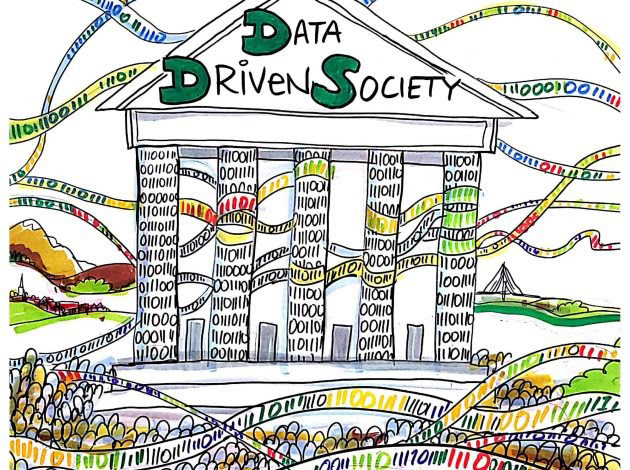
Illustration by Thiago Nobre Mascarenhas
What We Believe
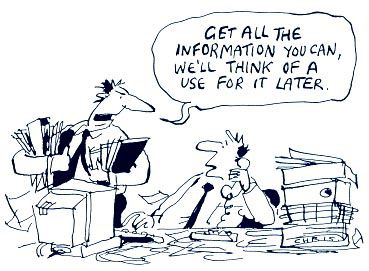
Every moment that passes, our digital identity expands, whether we know it or not. This expansion comes from active participation with digital platforms like social media apps (e.g. liking and engaging with content), and passive participation (e.g. transactions, website activity, location tracking from devices). Some of these feel helpful, by prioritizing convenience and efficiency (like using a Face ID in lieu of a password). But information is often taken from us without our direct knowledge and used for private reasons. And despite the tiny payouts that try and make us feel otherwise, they are violations that are often only reprimanded financially (just look at all the class action lawsuits for data breaches this year alone). Private corporations and governing bodies grasp at mountains of often useful, but often garbage low quality data and incorporate them into incomplete categorizations of a person. We are increasingly being labeled as a sum of our digital parts.
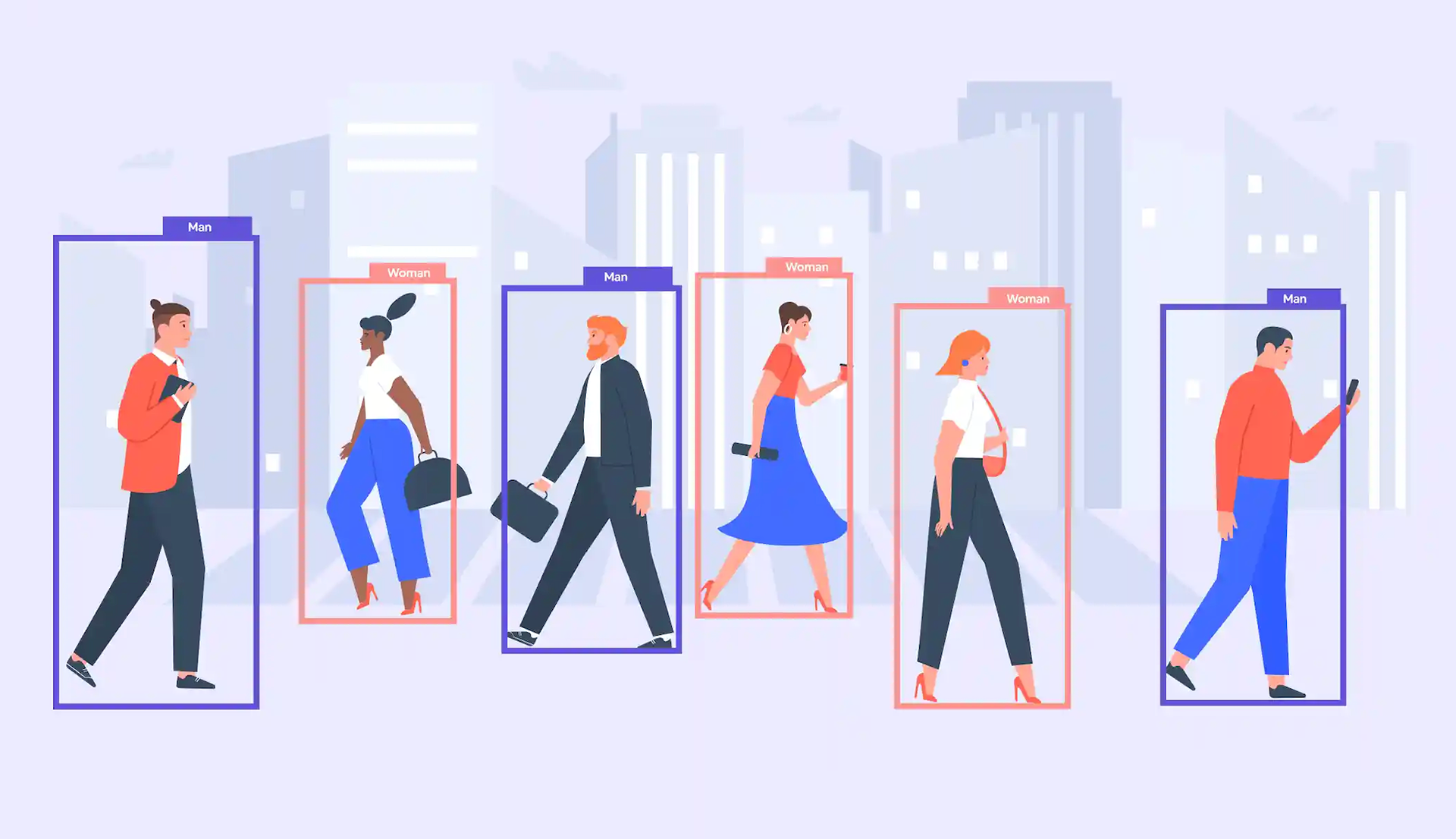
Image by Deep Lobe
Living in a new age where governance is moderated by digital practices, people often have no choice but to adapt their behavior in response to these technologies and the categories that come with them. For example:
- Someone with limited credit history is not eligible for loans. In response, they begin making purchases on a credit card they don’t actually need. Their financial behavior becomes less about their real needs and more about performing for the score.
- Someone who is rewarded by an engagement algorithm changes how they present themselves online.
- Someone is only shown content that reinforces their beliefs, leading them to view those with different opinions more harshly.
In each situation, the category does more than describe. It shapes what feels possible and how people make sense of their lives.
Social categories already exist as tools of prediction and control, and now emerges new ways to identify, classify, and predict. What’s worse is these categories and predictions and the algorithms that power them have been falsely interpreted as neutral, while the beliefs that underlie them have never been objective. People are given more responsibility and ownership over their digital identities through the technologies they interact with, so governing forces and self-interests both adapt behavior and outcomes to fit accordingly. This is the harrowing element of predictive governance, where governing bodies not only manage their citizens with the help of “know-it-all” AI agents, but where people self-manage because of their exposure to these systems.
So What?
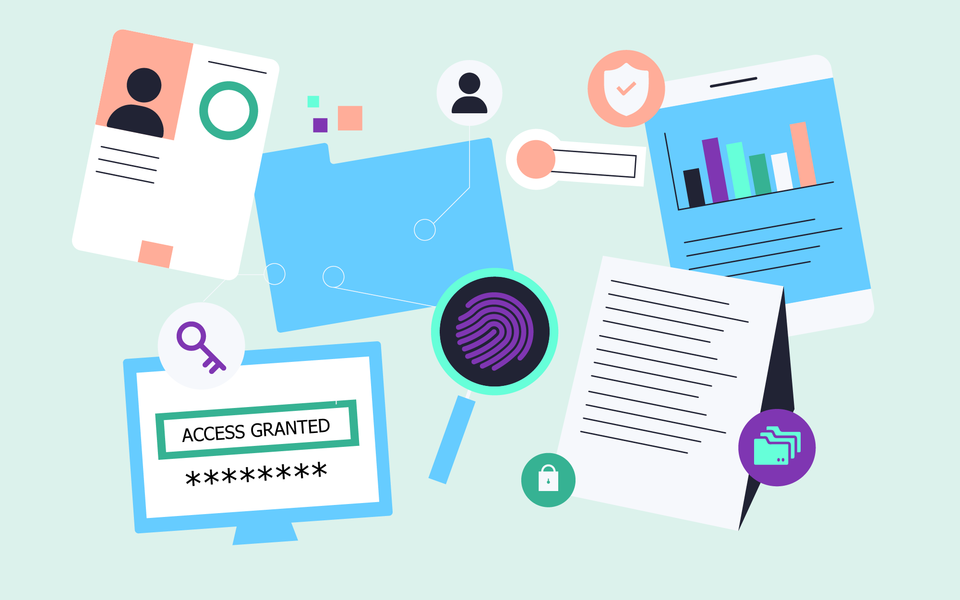
We’ve learned to accept many digital practices as normal. Whether it’s digital transactions, Face ID, or biometric scanning at the airport, we part with private identifiable information for the sake of convenience. Why pay for everything in cash if all your money can be stolen without potential for a bank dispute? Why spend 5 extra minutes a day typing in your password when your phone camera can scan the distance between your eyebrows to give you access to your text messages? Why opt for a pat down in a back room instead of a facial scan when the airport experience is already time consuming enough?
Credit: N. Hanacek, B. Hayes/NIST
Sometimes we use these tools because we are expected to, and because everyone else seems to be using them too. But we don’t often think about what these experiences take from us, and how, ever so slightly, they can shift our understanding of ourselves, other people, and the world around us. These systems and the data they harvest expand the reach of predictive governance, where decisions are made based on data-driven forecasts. Understanding these transformations is essential for analyzing power, inequality, and how to maintain agency and free thought in data-driven societies.
Visit the Case Studies tab if you want to know about how your data may be (not so) secretly controlling you!